Minimally invasive spine treatment is an advanced approach to managing spinal conditions using highly precise techniques that minimise disruption to muscles, ligaments, and surrounding tissues. These procedures are designed to relieve pain, restore function, and allow patients to recover more quickly compared to traditional open spine surgery.
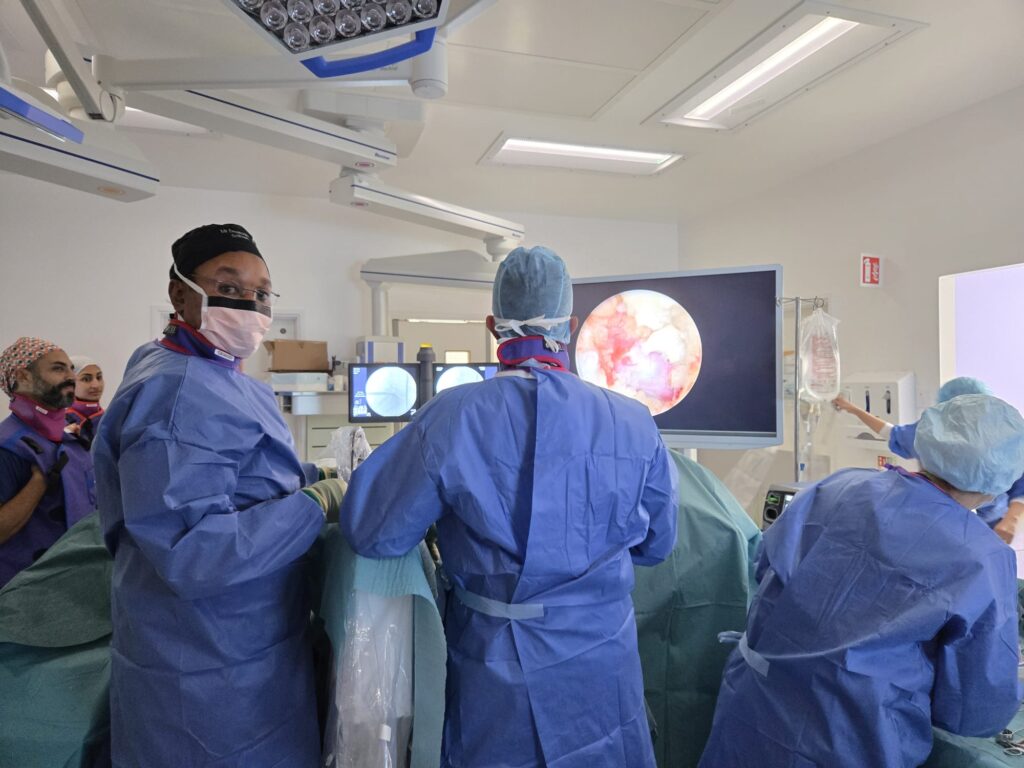
By using specialised instruments, microscopes, endoscopes, and image-guided technology, minimally invasive spine surgery enables accurate treatment through small incisions, reducing surgical trauma and improving overall outcomes.
Conditions Treated
Minimally invasive spine techniques may be suitable for a wide range of spinal conditions, including:
- Back pain caused by disc degeneration or nerve compression
- Sciatica (nerve pain radiating into the leg)
- Neck pain and cervical disc problems
- Spinal stenosis causing nerve compression
- Disc herniation (slipped disc)
- Selected spinal fractures and instability
Benefits of Minimally Invasive Spine Surgery

Compared to conventional open surgery, minimally invasive spine treatment offers several important advantages:
- Smaller incisions with minimal muscle damage
- Reduced postoperative pain
- Lower risk of infection and blood loss
- Shorter hospital stay, often same-day or overnight
- Faster recovery and return to daily activities
- Minimal scarring and improved cosmetic results
Treatment Techniques
Depending on the underlying condition, a variety of modern minimally invasive techniques may be used, including:
- Endoscopic (keyhole) spine surgery
- Microscopic spinal decompression
- Minimally invasive spinal fusion
- Disc replacement surgery
- Image-guided and robotic-assisted spine surgery
What to Expect
Minimally invasive spine procedures are typically performed under general anaesthesia using small incisions and specialised surgical instruments. Most patients are able to mobilise on the same day and are discharged within a short period.
Recovery time varies depending on the procedure performed, but patients generally experience a quicker and smoother recovery compared to traditional open spine surgery.
Is This Treatment Right for You?
Not all spinal conditions require surgery, and not every patient is suitable for a minimally invasive approach. A detailed clinical assessment, imaging studies, and discussion of treatment goals are essential before recommending surgery.
Your consultant will explain all available options and help you make an informed decision tailored to your individual condition.
Book a Consultation
If you are experiencing persistent back or neck pain, nerve symptoms, or difficulty with mobility, a specialist consultation can help determine whether minimally invasive spine treatment is suitable for you.
Book an appointment today to explore advanced, patient-focused spine care.
