Spine fractures treatment in London
Comprehensive overview, symptoms, causes, and treatment options for Spine fractures.
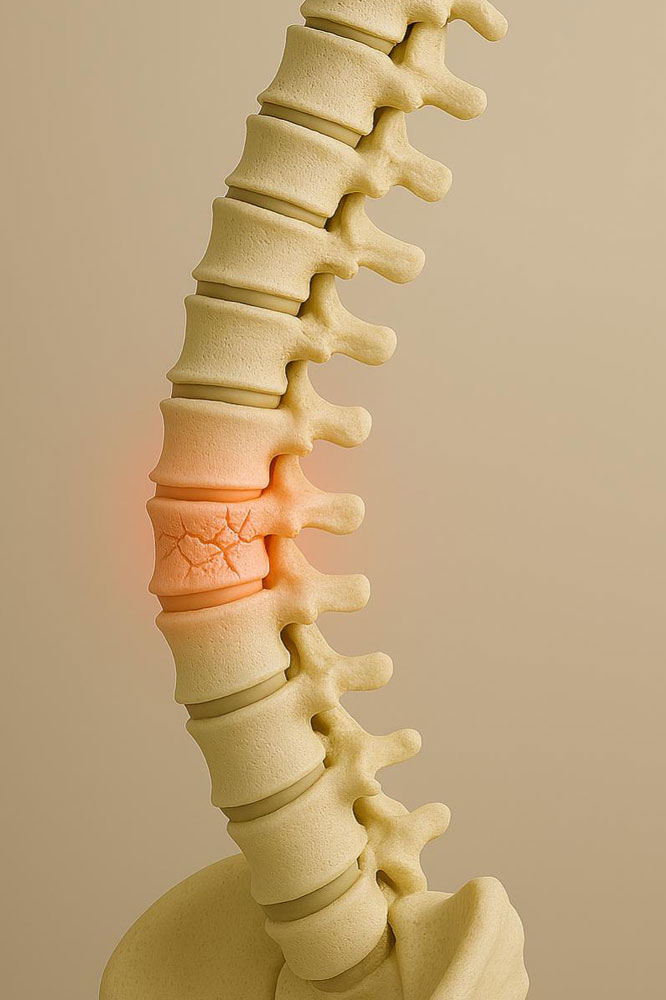
Spine fractures occur when one or more vertebrae are damaged due to trauma, weakened bone structure, or underlying medical conditions. These fractures can range from mild compression injuries to more complex structural damage affecting spinal stability.
The spine is essential for supporting the body and protecting the spinal cord, making fractures a potentially serious condition. Spine fractures may significantly limit mobility and interfere with daily activities, depending on their severity and location.
Some fractures may develop gradually, particularly in individuals with reduced bone strength, while others occur suddenly following injury or impact. Accurate assessment is critical to determine stability and potential risks.
Early diagnosis and appropriate management are key to ensuring proper healing and preventing complications. With modern diagnostic tools and individualized care, many patients recover well and regain functional mobility.
What Are Spine Fractures?
Spine fractures involve damage to one or more bones within the vertebral column. The severity of the injury depends on the amount of structural damage, alignment changes, and whether nearby neural structures are affected.
These injuries may occur in different regions of the back and neck, including the cervical region (neck), thoracic region (mid-back), or lumbar region (lower back).
Some injuries remain stable and heal with conservative treatment, while others may compromise structural stability and require specialist neurosurgical assessment or operative management.
Patients diagnosed with vertebral injuries in London often seek specialist neurological or orthopaedic evaluation to determine the safest and most appropriate treatment approach.
Common Causes of Spinal Injuries
Damage affecting the vertebrae may occur for several different reasons.
Common causes include:
- Falls
- Road traffic accidents
- Sports injuries
- Direct trauma
- Osteoporosis
- Degenerative bone disease
- Metastatic disease affecting bone strength
- Age-related weakening of vertebrae
- High-impact accidents
In older adults, osteoporosis-related compression injuries are among the most common causes of vertebral collapse and persistent back pain.
Types of Vertebral Fractures
Compression Injuries
Compression injuries occur when the vertebral body partially collapses, often due to reduced bone density or osteoporosis.
Burst Injuries
Burst-type injuries involve more extensive vertebral damage and may increase the risk of neurological compression affecting nearby nerves or the spinal cord.
Fracture-Dislocations
These complex injuries involve both bone damage and abnormal vertebral alignment, commonly associated with major trauma.
Stress-Related Injuries
Repeated mechanical strain over time may occasionally contribute to small structural injuries within the vertebrae.
Symptoms of Spinal Fractures
The symptoms vary depending on injury severity, structural stability, and the area affected.
Common symptoms may include:
- Sudden back or neck pain
- Pain worsening with movement
- Difficulty standing or walking
- Reduced flexibility and mobility
- Muscle spasms
- Loss of height
- Postural changes or curvature
- Numbness or tingling
- Weakness affecting the arms or legs
Some stable injuries may cause relatively mild symptoms, whereas more severe structural damage can lead to neurological impairment or mobility limitations.
How Vertebral Injuries Can Affect Daily Life
Damage affecting the vertebrae can significantly interfere with mobility, independence, and quality of life.
Patients may experience difficulty:
- Walking
- Standing for prolonged periods
- Sitting comfortably
- Lifting objects
- Driving
- Sleeping normally
- Performing routine household activities
Persistent pain, postural instability, or nerve-related symptoms may affect work performance, exercise tolerance, balance, and emotional wellbeing.
More severe injuries involving neural compression may contribute to long-term neurological symptoms and reduced functional independence.
When Should You Seek Specialist Assessment?
Urgent medical assessment may be recommended if patients experience:
- Sudden severe pain following trauma
- Pain after a fall or accident
- Weakness affecting the limbs
- Numbness or tingling
- Difficulty walking
- Loss of bladder or bowel control
- Progressive deformity or postural changes
Patients in London experiencing symptoms following trauma or suspected vertebral injury may benefit from urgent imaging and specialist neurological assessment.
Emergency Symptoms Requiring Immediate Medical Attention
Certain neurological symptoms may indicate severe structural compromise requiring emergency medical assessment.
- Sudden paralysis
- Loss of sensation
- Rapidly worsening weakness
- Loss of bladder or bowel function
- Significant instability affecting movement
Prompt diagnosis and treatment are important to reduce the risk of permanent neurological injury.
How Vertebral Injuries Are Diagnosed
Diagnosis begins with clinical examination and detailed imaging assessment.
Investigations may include:
- X-rays
- CT scan
- MRI scan
- Neurological examination
MRI imaging is particularly useful for assessing spinal cord involvement, ligament injury, neural compression, soft tissue damage, and structural stability.
Advanced imaging helps determine whether conservative treatment or surgical management is required.
Non-Surgical Treatment Options
Many stable vertebral injuries may heal without operative treatment.
Pain Management
Medication may help control discomfort during recovery.
Bracing and Support
Support braces may help limit movement and protect the affected region during healing.
Physiotherapy and Rehabilitation
Structured rehabilitation programmes may help restore posture, mobility, strength, and balance.
Activity Modification
Temporary restrictions involving lifting, bending, or high-impact activity may support recovery and reduce further stress on healing structures.
Careful monitoring is important to ensure appropriate healing without progression of deformity or neurological symptoms.
Surgical Treatment
Patients with unstable injuries, deformity, or neural compression may require surgical management.
Modern minimally invasive surgical techniques may help stabilise affected vertebral segments while reducing tissue disruption in selected patients.
Surgical procedures may include:
- Vertebral stabilisation procedures
- Vertebroplasty
- Kyphoplasty
- Neural decompression procedures
- Instrumentation and fusion techniques
The most appropriate surgical strategy depends on injury type, neurological findings, vertebral alignment, and the patient’s overall health.
Recovery and Rehabilitation
Recovery timelines vary depending on injury severity, structural stability, age, bone health, and treatment approach.
Some individuals recover within several weeks, while others require prolonged rehabilitation and mobility training.
Patients undergoing operative treatment may require structured physiotherapy programmes to restore posture, strength, balance, and functional independence.
Early treatment and rehabilitation may improve long-term mobility and reduce the risk of chronic pain or postural complications.
Preventing Vertebral Injuries
Several measures may help reduce the risk of structural injury affecting the vertebrae.
- Maintain bone health
- Participate in weight-bearing exercise
- Reduce fall risks at home
- Manage osteoporosis appropriately
- Maintain good posture and balance
- Use appropriate protective equipment during sports
Bone density assessment may be particularly important in older adults at increased risk of osteoporotic compression injuries.
Living With Chronic Symptoms After Vertebral Injury
Some patients experience persistent pain, stiffness, reduced flexibility, or postural changes following vertebral trauma.
Long-standing symptoms may affect mobility, exercise tolerance, sleep quality, and overall quality of life.
Specialist assessment and rehabilitation may help optimise recovery, maintain structural stability, and improve long-term function.
With appropriate treatment and monitoring, many individuals regain independence and return to normal daily activities.
Specialist Assessment in London
Mr Bhaskar Thakur is a consultant neurosurgeon in London with expertise in vertebral trauma, minimally invasive surgery, neurological compression disorders, and complex conditions affecting the neck and back.
Patients across Harley Street, Central London, Essex, and surrounding areas may seek specialist assessment for vertebral injuries, instability, neurological symptoms, and trauma-related mobility problems.
Early diagnosis and specialist treatment planning may help improve recovery, preserve neurological function, and support long-term musculoskeletal health.
Reviewed by Mr Bhaskar Thakur
Mr Bhaskar Thakur is a consultant neurosurgeon specialising in minimally invasive surgery, vertebral trauma, neurological compression disorders, and advanced neurosurgical care in London and Essex.
Key Symptoms
Treatment Options
Non-Surgical Treatment
Stable spine fractures are often treated without surgery.
Bracing, pain management, and controlled activity allow natural healing.
Physiotherapy helps restore strength and mobility safely.
Minimally Invasive Stabilization
Procedures such as vertebroplasty or kyphoplasty may be recommended.
These techniques stabilize the fracture and reduce pain.
They are performed with minimal incisions and rapid recovery.
Surgical Stabilization
Surgery is required for unstable or severe fractures.
The goal is to restore spinal alignment and protect the spinal cord.
Modern surgical techniques ensure safety and long-term stability.
Need Expert Care for Spine fractures?
Dr. Bhaskar Thakur provides personalised assessment and treatment options to help you manage Spine fractures effectively and safely.
Book a ConsultationFrequently Asked Questions About Spine Fractures
Can a spinal fracture heal on its own?
Many stable spinal fractures may heal with conservative treatment, bracing, and rehabilitation.
Are spinal fractures serious?
Some spinal fractures are mild, while others may affect spinal stability or compress the spinal cord and nerves.
Can osteoporosis cause spine fractures?
Yes. Osteoporosis weakens the vertebrae and increases the risk of compression fractures.
Is MRI necessary for spinal fractures?
MRI scanning may help assess spinal cord involvement, ligament injury, and fracture stability.
When is surgery required for spine fractures?
Surgery may be recommended for unstable fractures, spinal deformity, or neurological compression.
Can spinal fractures cause paralysis?
Severe fractures affecting the spinal cord may potentially lead to neurological deficits or paralysis.
