cavernoma
Comprehensive overview, symptoms, causes, and treatment options for cavernoma.
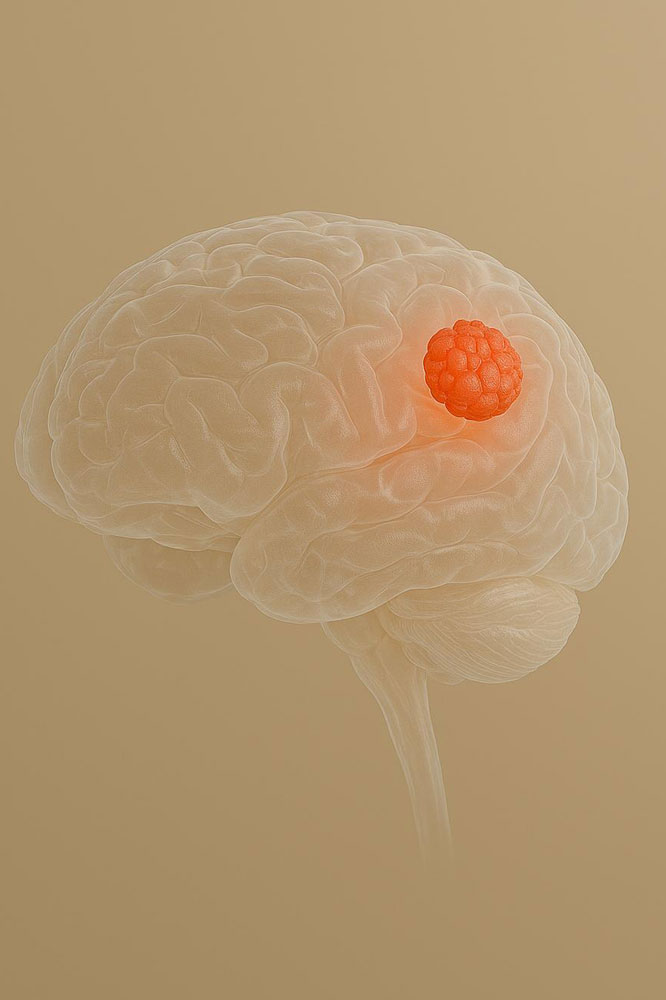
Cavernoma, also referred to as cavernous malformation, is a vascular condition involving clusters of abnormally formed blood vessels within the brain or spinal cord. These lesions may vary in size and location and can behave differently from one patient to another.
In many cases, cavernomas remain stable and are discovered incidentally during imaging performed for unrelated reasons. However, depending on their location, they may affect surrounding neural structures and interfere with normal neurological function. The behavior of a cavernoma can be unpredictable, which makes careful evaluation and monitoring important.
The presence of a cavernoma can raise concerns for patients, particularly when it involves critical areas of the brain or spinal cord. Advances in neuroimaging have improved the ability to detect and assess these lesions accurately, allowing for better-informed clinical decisions.
Early diagnosis and individualized management strategies help reduce potential risks and support long-term neurological health. With appropriate care and follow-up, many patients with cavernoma are able to maintain a good quality of life.
Key Symptoms
Treatment Options
Observation and Monitoring
Many cavernomas remain stable and do not require immediate treatment.
Regular monitoring through imaging studies helps track changes in size or bleeding risk.
This approach is suitable for asymptomatic patients or those with minimal symptoms.
Close follow-up ensures timely intervention if neurological symptoms develop.
Medical Management
Medications may be prescribed to control symptoms associated with cavernomas.
These include drugs to manage seizures, headaches, or neurological discomfort.
While medications do not eliminate the lesion, they help improve quality of life and reduce complications.
Individualized treatment plans are essential for long-term symptom control.
Surgical Treatment
Surgery may be recommended for symptomatic cavernomas causing bleeding or neurological deficits.
The goal is to remove the lesion safely while preserving surrounding brain tissue.
Advances in neurosurgical techniques allow precise and effective treatment.
Surgical decisions are based on lesion location, symptoms, and patient health.
Need Expert Care for cavernoma?
Dr. Bhaskar Thakur provides personalised assessment and treatment options to help you manage cavernoma effectively and safely.
Book a Consultation