Cerebral aneurysms
Comprehensive overview, symptoms, causes, and treatment options for Cerebral aneurysms.
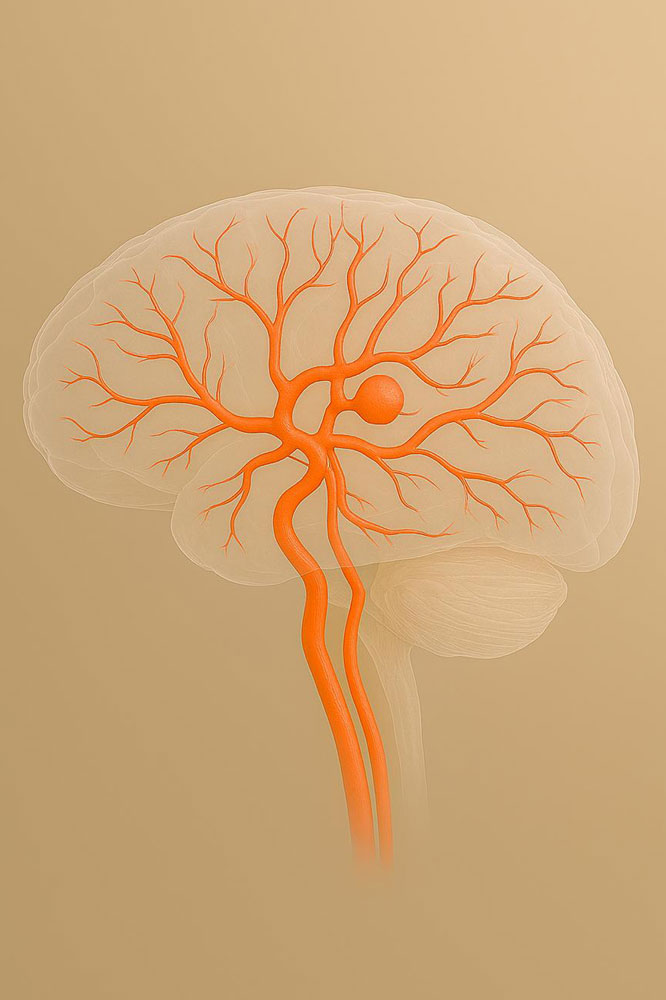
Cerebral aneurysms are abnormal bulges or balloon-like dilations that form in the walls of blood vessels within the brain. These aneurysms may develop silently over time and are often detected incidentally during imaging performed for other medical reasons.
The risk associated with cerebral aneurysms depends on several factors, including size, shape, and location. While some aneurysms remain stable, others may change over time, making careful assessment essential. The condition can be concerning due to its potential impact on brain circulation and neurological function.
Living with a cerebral aneurysm may create uncertainty for patients, highlighting the importance of accurate diagnosis and expert evaluation. Modern imaging techniques allow clinicians to monitor aneurysms closely and assess potential risks with greater precision.
Early detection and appropriate management planning play a critical role in minimizing complications. With advances in medical and surgical care, many patients achieve favorable outcomes and maintain normal daily functioning.
Key Symptoms
Treatment Options
Observation and Risk Management
Small, unruptured aneurysms may be managed with careful observation.
Regular imaging and blood pressure control help reduce rupture risk.
Lifestyle changes such as smoking cessation and stress management are strongly advised.
Close monitoring ensures early detection of changes requiring intervention.
Endovascular Treatment
Minimally invasive endovascular procedures are commonly used to treat aneurysms.
Techniques such as coiling or flow diversion prevent blood flow into the aneurysm.
These procedures are performed through blood vessels, avoiding open surgery.
They offer shorter recovery times and excellent outcomes for many patients.
Surgical Clipping
Surgical clipping may be recommended for complex or high-risk aneurysms.
The procedure isolates the aneurysm from circulation, preventing rupture.
Modern microsurgical techniques ensure safety and durability.
Treatment decisions depend on aneurysm size, location, and patient health.
Need Expert Care for Cerebral aneurysms?
Dr. Bhaskar Thakur provides personalised assessment and treatment options to help you manage Cerebral aneurysms effectively and safely.
Book a Consultation