 Mr Bhaskar Thakur
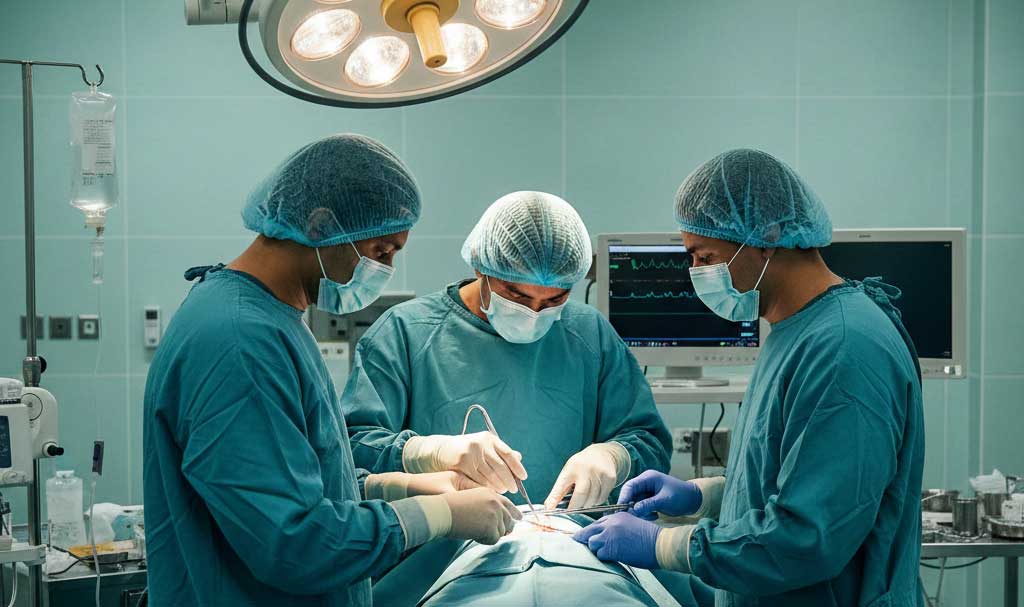
Spine surgery no longer means large incisions, prolonged hospital stays, or extended recovery periods. Advances in medical technology now allow surgeons to treat many spinal conditions using minimally invasive spine procedures. These techniques focus on precision, safety, and faster return to daily activities.
Minimally invasive spine surgery offers effective relief for carefully selected patients while reducing disruption to surrounding tissues. Understanding how these procedures work can help patients make informed decisions with confidence.
What Are Minimally Invasive Spine Procedures?
Minimally invasive spine procedures use specialised instruments and advanced imaging to access the spine through small incisions. Surgeons avoid extensive muscle dissection by working through natural tissue planes.
These techniques aim to relieve nerve compression, stabilise the spine, or remove damaged tissue while preserving healthy structures. As a result, patients often experience less pain, reduced scarring, and quicker recovery.
How Minimally Invasive Surgery Differs from Traditional Spine Surgery
Traditional open spine surgery requires larger incisions and greater muscle exposure. While still necessary in some cases, open surgery can increase post-operative pain and recovery time.
Minimally invasive spine surgery focuses on accuracy rather than exposure. Surgeons rely on real-time imaging, microscopes, or endoscopic tools to perform complex procedures through smaller access points.
Conditions Treated with Minimally Invasive Spine Techniques
Many common spinal conditions respond well to minimally invasive treatment when diagnosed appropriately.
Slipped Disc (Herniated Disc)
A disc bulge or rupture can compress spinal nerves, causing leg or arm pain. Minimally invasive discectomy removes the offending disc material while preserving surrounding structures.
Spinal Stenosis
Narrowing of the spinal canal often causes pain, numbness, or difficulty walking. Minimally invasive decompression relieves pressure on nerves without destabilising the spine.
Sciatica and Nerve Compression
Compressed lumbar nerves can cause sharp, radiating leg pain. Targeted minimally invasive procedures reduce nerve irritation effectively.
Spinal Instability
Some patients require stabilisation due to degenerative changes or vertebral slippage. Minimally invasive fusion techniques provide stability with reduced tissue trauma.
Common Minimally Invasive Spine Procedures Explained
Microdiscectomy
This procedure removes a small portion of a herniated disc that presses on a nerve. Surgeons perform it through a small incision using magnification for precision.
Minimally Invasive Laminectomy
Surgeons remove a small section of bone to relieve nerve compression in spinal stenosis. This approach preserves spinal stability.
Endoscopic Spine Surgery
Endoscopic techniques use a tiny camera inserted through a small incision. Surgeons visualise and treat spinal pathology with minimal disruption.
Minimally Invasive Spinal Fusion
This procedure stabilises the spine using screws and rods placed through small incisions. It suits selected patients with instability or severe degeneration.
Benefits of Minimally Invasive Spine Procedures
- Smaller incisions and reduced scarring
- Less muscle and tissue damage
- Reduced post-operative pain
- Shorter hospital stay
- Faster return to normal activities
- Lower infection risk
These benefits make minimally invasive techniques particularly appealing for active individuals and older patients alike.
Who Is a Suitable Candidate?
Not every spinal condition qualifies for minimally invasive surgery. Suitability depends on factors such as:
- Exact diagnosis and spinal anatomy
- Severity of nerve compression
- Overall health and medical history
- Previous spine surgeries
A spine specialist assesses each patient carefully to determine the safest and most effective approach.
What to Expect Before the Procedure
Before surgery, your specialist will perform a detailed clinical evaluation. MRI or CT scans help pinpoint the source of symptoms. The surgeon explains the procedure, expected outcomes, and potential risks in clear terms.
Patients receive guidance on medications, activity restrictions, and pre-operative preparation to ensure optimal results.
Recovery and Rehabilitation
Most patients mobilise shortly after minimally invasive spine surgery. Many return home the same day or within 24 hours.
Recovery focuses on gradual movement, guided physiotherapy, and posture awareness. Pain relief often occurs early, while nerve recovery may continue over weeks or months.
Your specialist provides personalised advice on work, exercise, and daily activities.
Safety and Risks
Minimally invasive spine procedures offer high safety when performed by experienced specialists. As with any surgery, risks exist, including infection, bleeding, or nerve irritation.
Careful planning, modern imaging, and surgical expertise significantly reduce these risks.
Why Specialist Expertise Matters
Successful minimally invasive spine surgery depends on precise diagnosis and surgical skill. A consultant neurosurgeon evaluates whether symptoms match imaging findings and selects the most appropriate technique.
Specialist care in London provides access to advanced technology, multidisciplinary support, and evidence-based treatment pathways.
When Should You Seek Specialist Advice?
If back or neck pain persists despite treatment, or if pain radiates into the arms or legs, specialist assessment can clarify the cause and guide treatment.
Early evaluation improves outcomes and helps avoid unnecessary delays.
Arrange a Spine Consultation in London
Minimally invasive spine procedures can offer effective relief with faster recovery for suitable patients. A specialist consultation helps determine whether this approach suits your condition.
To discuss minimally invasive spine treatment options with a consultant neurosurgeon in London, visit
bhaskarthakur.co.uk or contact the clinic directly to arrange an appointment.
