Spinal cord compression treatment in London
Comprehensive overview, symptoms, causes, and treatment options for Spinal cord compression.
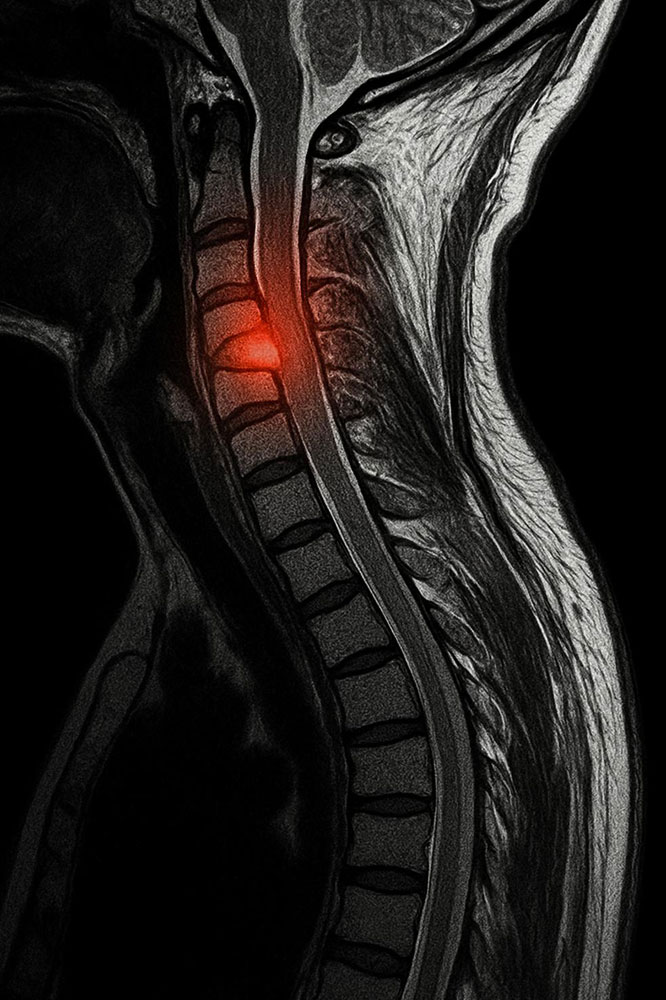
Spinal cord compression is a serious condition in which pressure is applied to the spinal cord, potentially disrupting nerve signals between the brain and body. This compression can occur due to various structural or degenerative changes within the spine.
The spinal cord plays a critical role in controlling movement, sensation, and bodily functions. When compressed, even slightly, it can lead to significant functional limitations and neurological concerns. The effects may progress if not addressed promptly.
Spinal cord compression can impact mobility, coordination, and overall independence. Early recognition of the condition is essential to prevent permanent neurological damage.
With timely diagnosis and an appropriate management strategy, many patients can achieve stabilization or improvement. Advances in spinal care allow for effective treatment planning and long-term neurological preservation.
What Is Spinal Cord Compression?
Spinal cord compression occurs when pressure is placed on the spinal cord by surrounding structures within the spinal canal. This pressure may interfere with the transmission of nerve signals between the brain and body.
The condition may affect different levels of the spine, including the cervical spine (neck), thoracic spine (mid-back), or lumbar spine (lower back).
Compression affecting the cervical spinal cord is particularly important because it may influence arm function, walking ability, balance, and coordination.
Patients diagnosed with spinal cord compression in London often seek specialist spinal assessment to identify the underlying cause and determine the most appropriate treatment approach.
Common Causes of Spinal Cord Compression
Several spinal conditions may contribute to pressure on the spinal cord.
Common causes include:
- Cervical myelopathy
- Spinal stenosis
- Slipped disc
- Degenerative disc disease
- Bone spurs (osteophytes)
- Spinal tumours
- Spinal trauma or fractures
- Inflammatory spinal conditions
- Spinal infections
- Ligament thickening within the spinal canal
Age-related degenerative changes within the spine are among the most common causes of spinal cord compression in older adults.
Symptoms of Spinal Cord Compression
The symptoms of spinal cord compression vary depending on the location and severity of compression.
Common symptoms may include:
- Neck pain or back pain
- Arm or leg weakness
- Numbness or tingling
- Difficulty walking
- Poor balance or coordination
- Reduced hand dexterity
- Muscle stiffness or spasticity
- Difficulty with fine motor tasks
- Changes in bladder or bowel control
- Progressive neurological symptoms
Symptoms may develop gradually over time and can worsen if spinal cord compression progresses.
Persistent balance difficulties, hand clumsiness, or walking problems may indicate cervical spinal cord involvement.
How Spinal Cord Compression Can Affect Daily Life
Spinal cord compression can significantly affect independence, mobility, and quality of life.
Patients may experience difficulty:
- Walking safely
- Climbing stairs
- Using the hands for fine motor tasks
- Maintaining balance
- Driving
- Working
- Performing daily household activities
Some patients develop progressive weakness or coordination difficulties that interfere with work, exercise, and normal routines.
Persistent neurological symptoms may also affect emotional wellbeing, confidence, and long-term independence.
When Should You Seek Specialist Assessment?
Urgent specialist spinal assessment may be recommended if patients experience:
- Progressive weakness
- Difficulty walking
- Balance problems
- Hand clumsiness
- Persistent numbness or tingling
- Loss of coordination
- Changes in bladder or bowel function
- Rapid neurological deterioration
Patients experiencing symptoms of spinal cord compression in London may benefit from neurological examination and urgent spinal imaging to identify the underlying cause.
Emergency Symptoms Requiring Immediate Medical Attention
Certain symptoms may indicate severe spinal cord compromise and require urgent emergency medical assessment.
- Sudden inability to walk
- Rapidly worsening weakness
- Loss of bladder or bowel control
- Severe numbness affecting the limbs
- Sudden loss of coordination
Prompt diagnosis and treatment are important to reduce the risk of permanent neurological injury.
How Spinal Cord Compression Is Diagnosed
Diagnosis begins with a detailed neurological examination and spinal assessment.
Investigations may include:
- MRI scan of the spine
- CT scan
- X-rays
- Neurological examination
- Nerve conduction studies in selected cases
MRI imaging is particularly useful for identifying spinal cord compression, disc prolapse, spinal stenosis, tumours, and degenerative spinal disease.
Advanced imaging helps specialists determine the location and severity of spinal cord involvement.
Non-Surgical Treatment for Spinal Cord Compression
The most appropriate treatment depends on the underlying cause and severity of neurological symptoms.
Medication
Anti-inflammatory medication or pain management strategies may help reduce discomfort in selected patients.
Physiotherapy and Rehabilitation
Structured rehabilitation programmes may help improve mobility, strength, balance, and coordination.
Activity Modification
Reducing activities that aggravate symptoms may help minimise further spinal stress.
However, significant spinal cord compression often requires specialist neurosurgical or spinal assessment to determine whether surgical treatment is necessary.
Minimally Invasive Surgery for Spinal Cord Compression
Patients with progressive neurological symptoms or severe spinal cord compression may require surgical treatment to relieve pressure on the spinal cord.
Modern minimally invasive spinal surgery techniques aim to reduce tissue disruption while decompressing affected neural structures.
Surgical procedures may include:
- Spinal decompression surgery
- Discectomy procedures
- Laminectomy
- Spinal stabilisation surgery
- Tumour removal surgery
The most appropriate treatment approach depends on the underlying spinal pathology, imaging findings, neurological symptoms, and overall spinal stability.
Recovery After Treatment
Recovery depends on the severity and duration of spinal cord compression prior to treatment.
Some patients experience gradual neurological improvement following decompression, while others may require prolonged rehabilitation to restore mobility and coordination.
Early diagnosis and treatment are important because prolonged spinal cord compression may increase the risk of permanent neurological deficits.
Rehabilitation programmes may involve physiotherapy, balance training, strengthening exercises, and ongoing neurological follow-up.
Living With Chronic Spinal Cord Compression
Some individuals experience chronic spinal cord compression associated with degenerative spinal disease or progressive neurological conditions.
Long-standing symptoms may affect mobility, independence, coordination, and overall quality of life.
Specialist spinal assessment and long-term monitoring may help manage symptoms, reduce progression, and maintain neurological function.
With appropriate treatment and rehabilitation, many patients achieve improved stability, mobility, and functional independence.
Specialist Spinal Cord Compression Assessment in London
Mr Bhaskar Thakur is a consultant neurosurgeon in London with expertise in spinal cord compression, cervical myelopathy, minimally invasive spinal surgery, and complex spinal disorders.
Patients across Central London, Harley Street, and Essex may seek specialist assessment for spinal cord compression, balance problems, nerve compression disorders, and degenerative spinal disease.
Early diagnosis and specialist treatment planning may help preserve neurological function, improve mobility, and support long-term spinal health.
Reviewed by Mr Bhaskar Thakur
Mr Bhaskar Thakur is a consultant neurosurgeon specialising in spinal cord compression, minimally invasive spinal surgery, cervical spine disorders, and advanced neurosurgical conditions in London and Essex.
Key Symptoms
Treatment Options
Medical Management
Early treatment aims to reduce pressure on the spinal cord.
Medications may be used to control inflammation and pain.
Close monitoring helps prevent progression of neurological symptoms.
Minimally Invasive Procedures
Image-guided interventions may relieve compression in selected cases.
These treatments minimize tissue damage and speed recovery.
They are useful when conservative care is insufficient.
Surgical Decompression
Surgery is often necessary to prevent permanent neurological damage.
The procedure removes the source of compression and stabilizes the spine.
Timely surgery significantly improves outcomes.
Need Expert Care for Spinal cord compression?
Dr. Bhaskar Thakur provides personalised assessment and treatment options to help you manage Spinal cord compression effectively and safely.
Book a ConsultationFrequently Asked Questions About Spinal Cord Compression
Is spinal cord compression serious?
Yes. Spinal cord compression may affect nerve function, movement, balance, and coordination, particularly if symptoms progress without treatment.
Can spinal cord compression cause walking difficulties?
Yes. Compression affecting the spinal cord may interfere with balance, coordination, and leg strength, leading to difficulty walking.
Can spinal cord compression improve without surgery?
Mild cases may sometimes be managed conservatively, although significant neurological compression often requires specialist spinal assessment.
What are the warning signs of spinal cord compression?
Warning signs may include progressive weakness, balance problems, hand clumsiness, numbness, and changes in bladder or bowel function.
Is MRI necessary for spinal cord compression?
Yes. MRI scanning is one of the most important investigations for identifying spinal cord compression and determining its severity.
Can spinal cord compression cause permanent nerve damage?
Yes. Prolonged compression may lead to permanent neurological deficits if treatment is delayed.
