Sciatica treatment in London
Comprehensive overview, symptoms, causes, and treatment options for Sciatica.
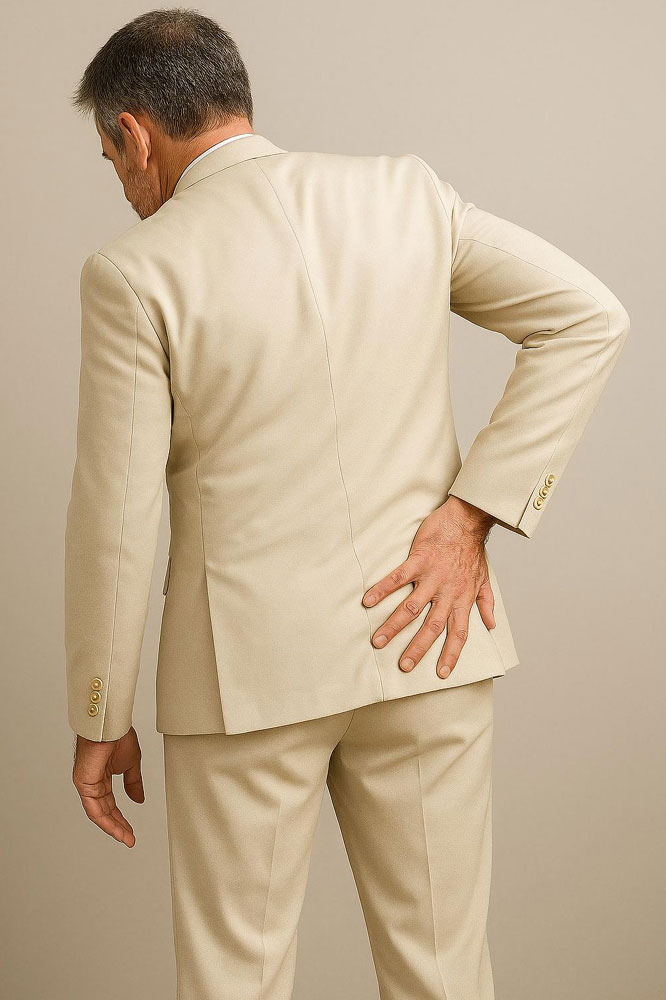
Sciatica refers to pain that originates from irritation or compression of the sciatic nerve, the longest nerve in the body. This condition commonly affects the lower back and extends along the path of the nerve through the hips and legs.
Sciatica can significantly interfere with mobility and comfort, particularly when standing, walking, or sitting for extended periods. The condition may develop suddenly or progress gradually, depending on the underlying cause.
The impact of sciatica varies widely among individuals. While some experience temporary discomfort, others may face persistent pain that affects daily activities and quality of life. The condition can also influence posture and movement patterns over time.
Early diagnosis and appropriate care are important to relieve nerve pressure and prevent long-term complications. With a personalized management plan, many patients experience meaningful improvement and regain functional independence.
What Is Sciatica?
Sciatica occurs when the sciatic nerve becomes irritated, inflamed, or compressed. The sciatic nerve originates from the lower spinal nerves within the lumbar spine and travels through the buttocks and down each leg.
Compression of the nerve may lead to pain, tingling, numbness, or weakness affecting the lower back, buttock, leg, or foot.
Sciatica itself is not a diagnosis but rather a symptom of an underlying spinal condition affecting the lower spine.
Common Symptoms of Sciatica
The symptoms of sciatica vary depending on the location and severity of nerve compression.
Common symptoms may include:
- Sharp or burning pain radiating down the leg
- Lower back pain
- Buttock discomfort
- Tingling or pins and needles
- Numbness in the leg or foot
- Muscle weakness
- Pain worsening while sitting
- Difficulty standing or walking for prolonged periods
- Electric shock-like pain during movement
Symptoms often affect one side of the body, although severity can vary considerably between individuals.
What Causes Sciatica?
Several spinal conditions may contribute to compression or irritation of the sciatic nerve.
Common causes include:
- Slipped disc (lumbar disc prolapse)
- Spinal stenosis
- Degenerative disc disease
- Spondylolisthesis
- Spinal arthritis
- Nerve inflammation
- Previous spinal injury
- Piriformis syndrome
Age-related wear and tear affecting the lumbar spine may also contribute to nerve compression and chronic sciatic symptoms.
How Sciatica Can Affect Daily Life
Sciatica can significantly interfere with routine activities and overall quality of life.
Patients may experience difficulty:
- Sitting comfortably
- Driving long distances
- Walking for prolonged periods
- Sleeping normally
- Working at a desk
- Exercising
- Lifting or bending
Persistent nerve pain may also affect concentration, productivity, emotional wellbeing, and physical activity levels.
Many individuals in London seek specialist spinal assessment when symptoms persist despite physiotherapy, exercise programmes, or pain management.
When Should You Seek Specialist Assessment?
Although some mild episodes improve naturally, specialist assessment may be recommended if symptoms:
- Persist beyond several weeks
- Become progressively worse
- Cause weakness in the leg or foot
- Lead to numbness or tingling
- Interfere with walking or sleep
- Do not improve with conservative treatment
- Occur repeatedly
Patients experiencing persistent sciatic nerve pain in London may benefit from neurological examination and spinal imaging to identify the underlying cause.
Emergency Symptoms Requiring Urgent Medical Attention
Rarely, severe spinal nerve compression may cause symptoms requiring urgent emergency assessment.
- Loss of bladder or bowel control
- Numbness around the groin or saddle area
- Rapidly worsening leg weakness
- Difficulty walking
These symptoms may indicate cauda equina syndrome, a serious spinal emergency requiring immediate medical attention.
How Sciatica Is Diagnosed
Diagnosis begins with a detailed clinical history and neurological examination.
Investigations may include:
- MRI scan of the lumbar spine
- CT scan
- X-rays
- Nerve conduction studies
MRI imaging is particularly useful for identifying disc prolapse, spinal stenosis, nerve compression, and degenerative spinal conditions affecting the lumbar spine.
Advanced imaging helps determine the most appropriate treatment approach based on the underlying spinal condition.
Non-Surgical Treatment for Sciatica
Physiotherapy
Structured physiotherapy programmes may help improve spinal mobility, strengthen supporting muscles, and reduce nerve irritation.
Exercise Rehabilitation
Targeted stretching and strengthening exercises may support recovery and improve flexibility.
Medication
Anti-inflammatory medication and pain relief may help reduce discomfort during recovery.
Activity Modification
Temporary changes to lifting, prolonged sitting, or repetitive movements may help reduce pressure on the sciatic nerve.
Posture Improvement
Improving posture and workstation ergonomics may help minimise strain on the lumbar spine.
Spinal Injections for Sciatica
Some patients with persistent nerve pain may benefit from spinal injections designed to reduce inflammation around compressed nerves.
These may include:
- Epidural steroid injections
- Nerve root injections
- Facet joint injections
Injection therapy may provide temporary or longer-term symptom relief in selected patients.
Minimally Invasive Surgery for Sciatica
Patients with severe nerve compression, persistent neurological symptoms, or disabling leg pain may occasionally require surgical treatment.
Modern minimally invasive spinal surgery techniques aim to reduce tissue disruption and support faster recovery where appropriate.
Surgical procedures may include:
- Microdiscectomy
- Lumbar decompression surgery
- Endoscopic spinal surgery
- Spinal stabilisation procedures
The most appropriate treatment approach depends on imaging findings, symptom severity, and overall spinal health.
Recovery After Sciatica Treatment
Recovery timelines vary depending on the underlying spinal condition and treatment approach used.
Many patients improve with physiotherapy, rehabilitation, and conservative treatment. Patients undergoing surgery may require gradual rehabilitation and strengthening exercises during recovery.
Early treatment may improve symptom control, mobility, and long-term spinal health.
Preventing Sciatica Recurrence
Several lifestyle measures may help reduce the risk of recurring sciatic nerve pain.
- Maintain regular physical activity
- Strengthen core muscles
- Improve posture
- Use safe lifting techniques
- Avoid prolonged sitting
- Maintain healthy body weight
- Perform stretching exercises regularly
Long-term spinal health often depends on posture awareness, flexibility, mobility, and maintaining an active lifestyle.
Living With Chronic Sciatica
Some patients experience chronic or recurrent sciatic nerve symptoms affecting mobility, sleep, work, and physical activity.
Persistent nerve irritation may contribute to muscle weakness, reduced exercise tolerance, and emotional stress over time.
Patients with ongoing symptoms in London may benefit from specialist spinal assessment to determine whether underlying lumbar disc disease, spinal stenosis, or degenerative spinal conditions are contributing to continued nerve compression.
Early diagnosis and structured treatment may improve mobility, reduce pain, and support long-term recovery.
Specialist Sciatica Assessment in London
Mr Bhaskar Thakur is a consultant neurosurgeon in London with expertise in degenerative spinal conditions, nerve compression disorders, minimally invasive spinal surgery, and complex spinal pathology.
Patients across Central London, Harley Street, and Essex may seek specialist assessment for persistent sciatica, lower back pain, spinal stenosis, and lumbar disc prolapse.
Early diagnosis and appropriate management may help relieve symptoms, improve mobility, and support long-term spinal health.
Reviewed by Mr Bhaskar Thakur
Mr Bhaskar Thakur is a consultant neurosurgeon specialising in minimally invasive spinal surgery, nerve compression disorders, degenerative spinal disease, and advanced neurosurgical conditions in London and Essex.
Key Symptoms
Treatment Options
Non-Surgical Treatment
Sciatica often improves with conservative management.
Treatment includes physiotherapy, pain medications, and guided exercises.
Posture correction and lifestyle changes help reduce nerve irritation.
Many patients recover fully without surgical intervention.
Minimally Invasive Procedures
Targeted injections may be recommended for persistent leg pain.
These procedures reduce nerve inflammation and provide effective relief.
They are performed under imaging guidance for accuracy and safety.
Surgical Treatment
Surgery is advised when sciatica causes weakness or severe pain.
The procedure relieves pressure on the affected nerve.
Early surgical care helps restore mobility and prevent long-term damage.
Need Expert Care for Sciatica?
Dr. Bhaskar Thakur provides personalised assessment and treatment options to help you manage Sciatica effectively and safely.
Book a ConsultationFrequently Asked Questions About Sciatica
Can sciatica go away on its own?
Mild cases may improve naturally with rest, physiotherapy, activity modification, and exercise rehabilitation.
Is walking good for sciatica?
Gentle walking is often encouraged as it may help maintain mobility and circulation without placing excessive strain on the spine.
Can sciatica cause foot numbness?
Yes. Compression of spinal nerves may lead to numbness, tingling, or weakness affecting the foot or toes.
When should I worry about sciatica?
Persistent pain, progressive weakness, numbness, or bladder and bowel symptoms should be medically assessed.
Is surgery always necessary for sciatica?
No. Many patients improve with conservative treatment, although surgery may be recommended for severe or persistent nerve compression.
Can sitting make sciatica worse?
Yes. Prolonged sitting may increase pressure on spinal discs and aggravate sciatic nerve irritation.
