Spinal & Neurological Disorders Treated by Mr Bhaskar Thakur
Expert diagnosis and treatment for disorders affecting the spine, brain, and peripheral nerves. Care is evidence-based, patient-centred, and focused on restoring mobility, function, and quality of life.
Mr Bhaskar Thakur is a consultant neurosurgeon providing specialist care for patients across London, Essex, and Brentwood. Individuals seeking a private neurosurgeon or back specialist can access advanced assessment, modern treatment options, and personalised care in convenient locations.
Specialist Neurosurgical Care Across London, Essex, and Brentwood
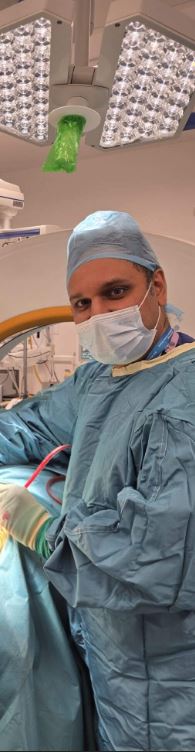
Mr Bhaskar Thakur is a Consultant Neurosurgeon and Spine Surgeon offering expert diagnosis and treatment for a wide range of disorders affecting the back, neck, brain, and nervous system. Patients attending clinics in Central London and Essex receive thorough evaluation and clear guidance on the most effective treatment options.
Many back and neck problems — including sciatica, nerve compression, and degenerative disc disease — can be managed without surgery. Treatment may include physiotherapy, targeted spinal injections, and advanced pain management strategies designed to reduce symptoms and restore mobility.
When surgical intervention is necessary, minimally invasive and image-guided techniques are used to improve precision, minimise tissue disruption, and support faster recovery. Each treatment plan is tailored to the individual, ensuring the safest and most effective approach.
Patients seek specialist care for persistent pain, neurological symptoms, reduced mobility, or complex nerve disorders. A comprehensive consultation includes clinical assessment and review of imaging where required to ensure accurate diagnosis and optimal treatment planning.
Conditions Commonly Managed
Mr Thakur provides specialist care for a broad range of neurosurgical and nerve-related disorders, including:
- Chronic back and neck pain
- Sciatica and nerve root compression
- Spinal cord compression and myelopathy
- Degenerative disc disease and age-related spine changes
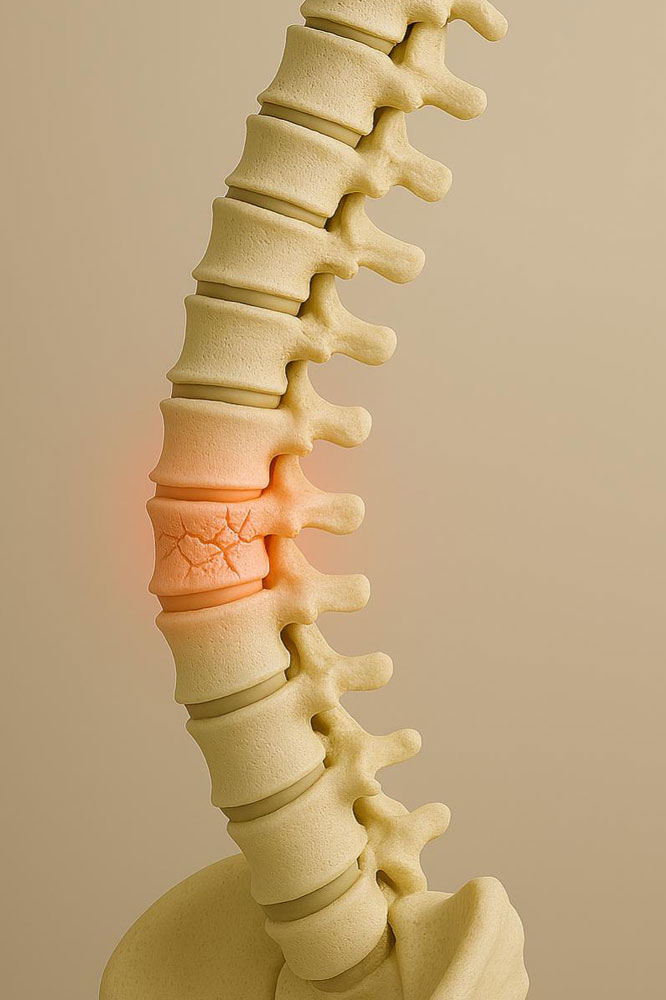
- Vertebral fractures and traumatic injuries
- Peripheral nerve disorders including carpal tunnel syndrome
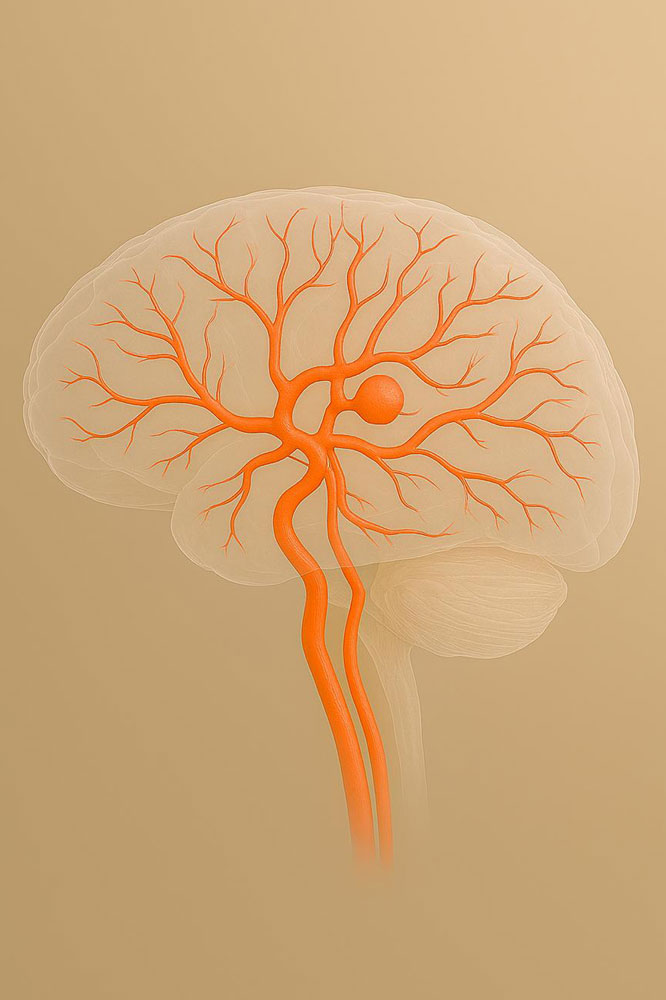
- Cerebral aneurysms and vascular abnormalities
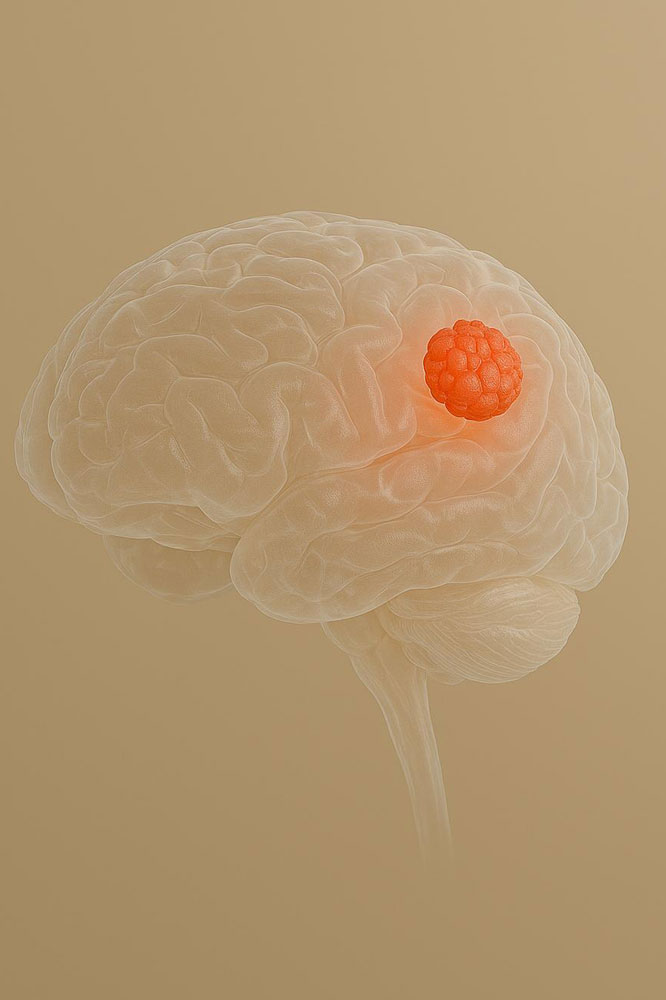
- Cavernomas and other neurological disorders
Consultations are available in Central London and Brentwood, Essex, providing convenient access to specialist neurosurgical care for patients across Greater London and the surrounding regions.

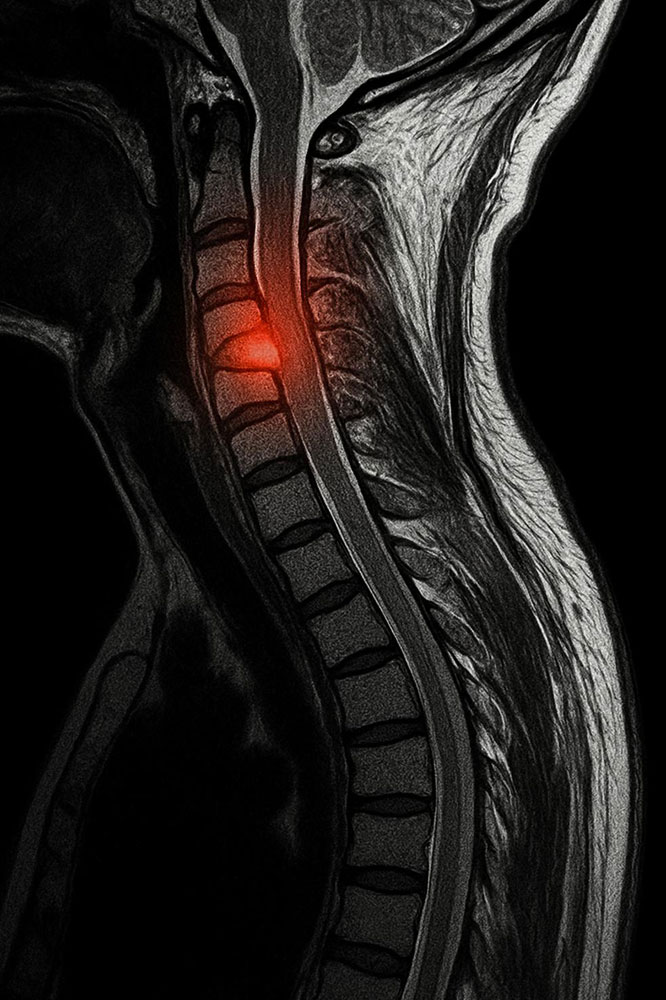



Recognising Symptoms of Back and Nerve Disorders
Disorders affecting the spine and nervous system often develop gradually, beginning with mild discomfort before progressing to persistent pain, weakness, or reduced mobility. Early specialist assessment can help prevent progression and support faster recovery.
Patients frequently seek consultation for symptoms such as nerve pain radiating into the arms or legs, numbness, tingling sensations, muscle weakness, balance difficulties, or reduced coordination. These signs may indicate conditions affecting the spinal cord, nerve roots, or peripheral nerves.
When to Seek Specialist Assessment
- Persistent back or neck pain lasting longer than six weeks
- Pain spreading into the shoulders, arms, buttocks, or legs
- Numbness, tingling, or burning nerve pain
- Difficulty walking, balance problems, or limb weakness
- Loss of grip strength or fine motor control
- Symptoms not improving with physiotherapy or medication
A comprehensive consultation includes clinical evaluation and review of MRI or CT imaging where appropriate. This ensures an accurate diagnosis and helps determine whether non-surgical care, spinal injections, or minimally invasive spine surgery may provide the best outcome.
Advanced Techniques and Modern Spine Care
Modern neurosurgical treatment prioritises precision, safety, and enhanced recovery. When surgery is required, minimally invasive techniques allow smaller incisions, reduced tissue disruption, and shorter hospital stays.
Treatment may include image-guided spinal injections, microsurgical decompression, disc replacement procedures, and robotic-assisted spinal stabilisation. These approaches are designed to relieve nerve compression, restore spinal stability, and improve long-term mobility.
Patients benefit from a multidisciplinary approach that may include physiotherapy, rehabilitation planning, and pain management strategies to support full recovery and return to normal daily activities.
Frequently Asked Questions
When should I see a neurosurgeon for back or neck pain?
Specialist assessment is recommended if pain persists for more than six weeks, spreads into the arms or legs, or is accompanied by numbness, weakness, or difficulty walking. Early evaluation helps identify nerve compression or structural problems requiring targeted treatment.
Can spinal problems improve without surgery?
Many back and neck disorders respond well to non-surgical treatments such as physiotherapy, guided spinal injections, posture correction, and pain management. Surgery is considered only when conservative treatment fails or neurological symptoms worsen.
What symptoms suggest nerve compression?
Common signs include radiating pain in the arms or legs, tingling, numbness, muscle weakness, burning sensations, or reduced coordination. These symptoms may indicate pressure on a nerve root or the spinal cord.
What is minimally invasive spine surgery?
Minimally invasive techniques use small incisions and specialised instruments to relieve nerve compression or stabilise the spine while preserving surrounding tissues. This approach often results in less pain, reduced hospital stay, and faster recovery compared with traditional open surgery.
How is a spinal condition diagnosed?
Diagnosis involves clinical assessment, neurological examination, and review of imaging such as MRI or CT scans. These investigations help identify disc problems, nerve compression, spinal instability, or other neurological disorders.
What treatments are available for chronic nerve pain?
Treatment options may include medication, physiotherapy, targeted injections, nerve decompression procedures, and rehabilitation programmes designed to restore mobility and improve daily function.
Is spine surgery safe?
Modern spine surgery is performed using advanced techniques and strict safety protocols. Minimally invasive approaches reduce tissue disruption and support faster recovery. Your surgeon will discuss risks, benefits, and expected outcomes before recommending any procedure.
How long does recovery take after spine surgery?
Recovery time varies depending on the procedure and individual health. Many patients return to light activities within a few weeks after minimally invasive surgery, while full recovery and rehabilitation may take several months.
Do I need an MRI scan before seeing a specialist?
A clinical assessment is performed first, and imaging such as MRI or CT scans may be requested if required to confirm diagnosis and guide treatment.
Can nerve damage become permanent if untreated?
Persistent nerve compression can lead to long-term weakness or sensory changes. Early specialist evaluation improves the likelihood of relieving pressure on the nerve and preventing permanent damage.
Need Expert Care?
If you are experiencing symptoms or require a specialist consultation, Mr Bhaskar Thakur can assess your symptoms and recommend the most appropriate treatment options.
Book a Consultation