
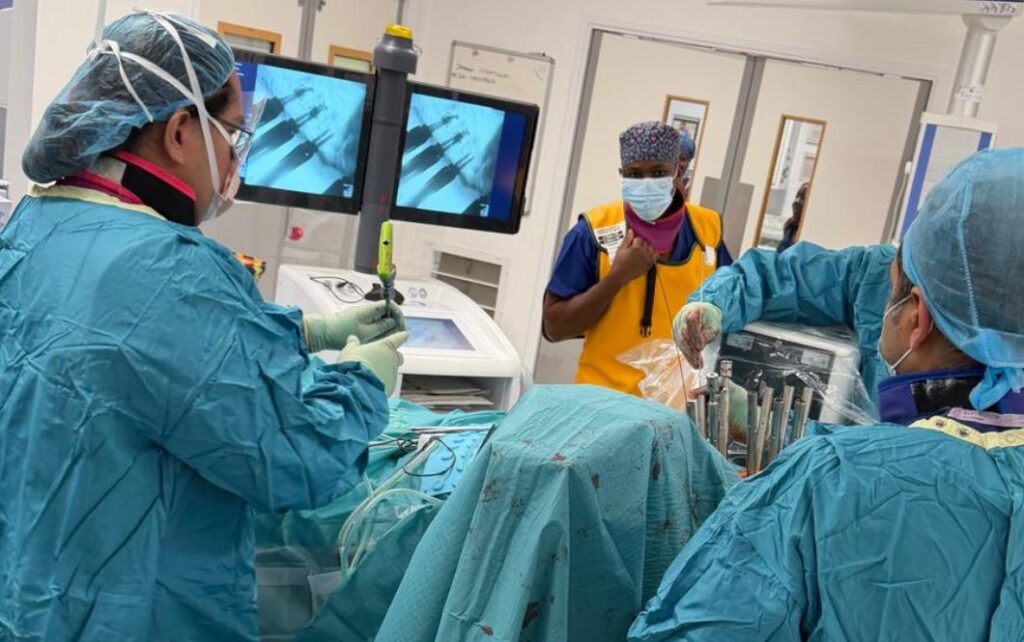
Spinal fixation surgery is a commonly performed procedure used to stabilise the spine after injury, degeneration, deformity, or surgery for tumours and infections. Many patients ask a similar question after the operation:
“How do the screws look on a CT scan?”
Understanding how spinal screws appear on CT images can help patients feel more confident and informed during recovery. This guide explains the typical CT appearance of spinal fixation screws and what surgeons look for when reviewing post-operative scans. It is especially helpful for patients treated in London by spine specialists such as Mr. Bhaskar Thakur.
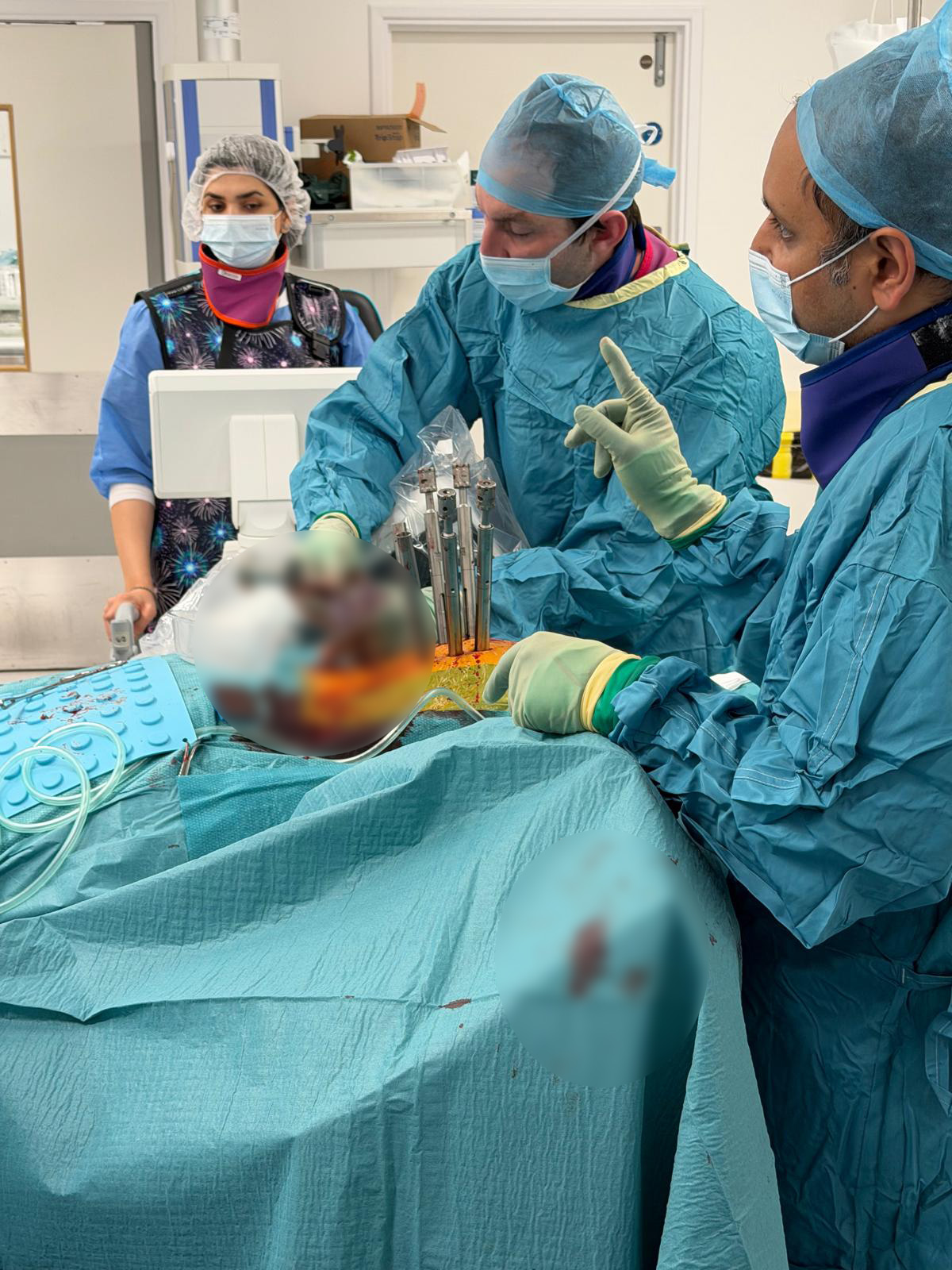
What Is a Spinal Fixation Operation?
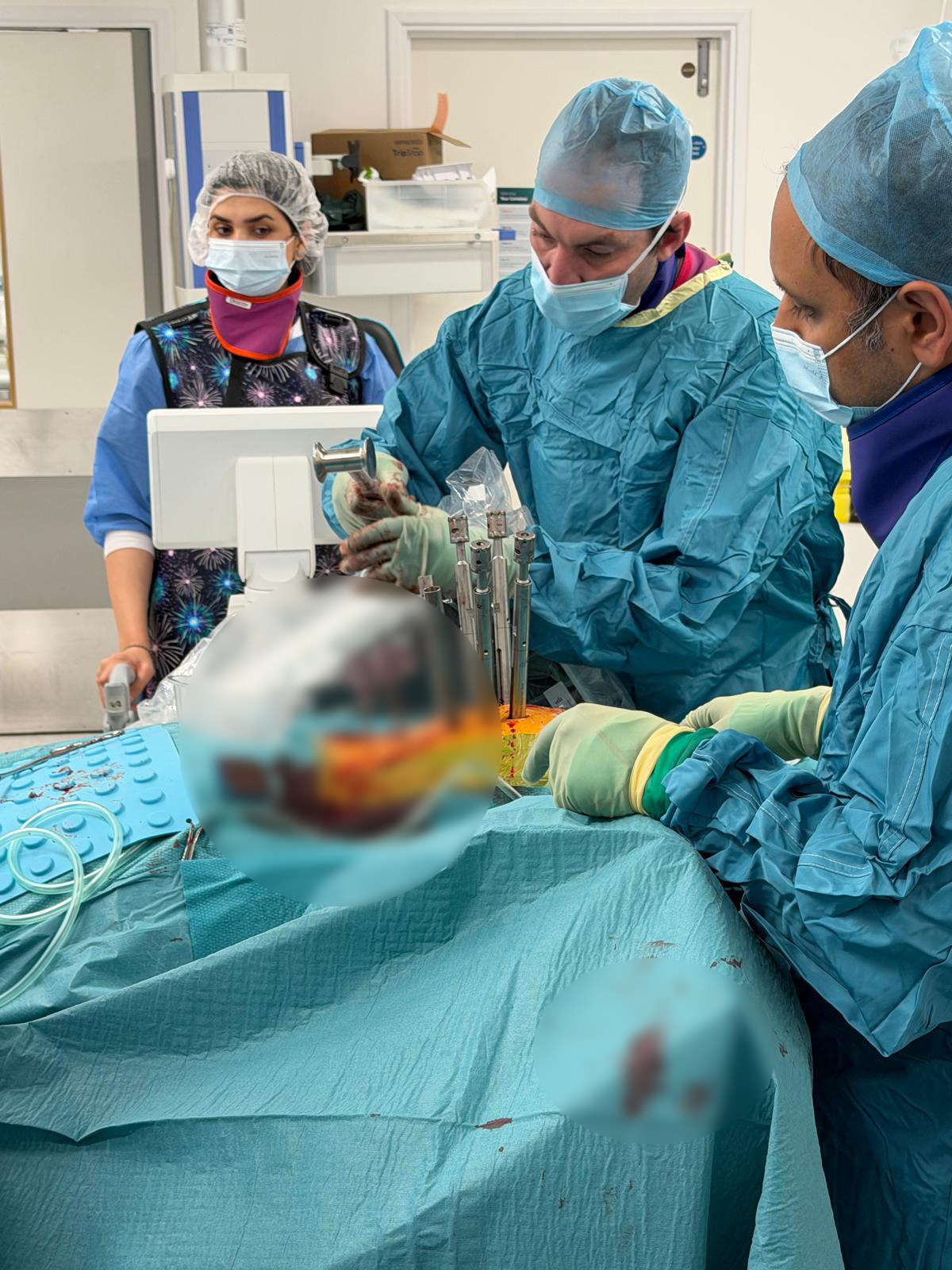
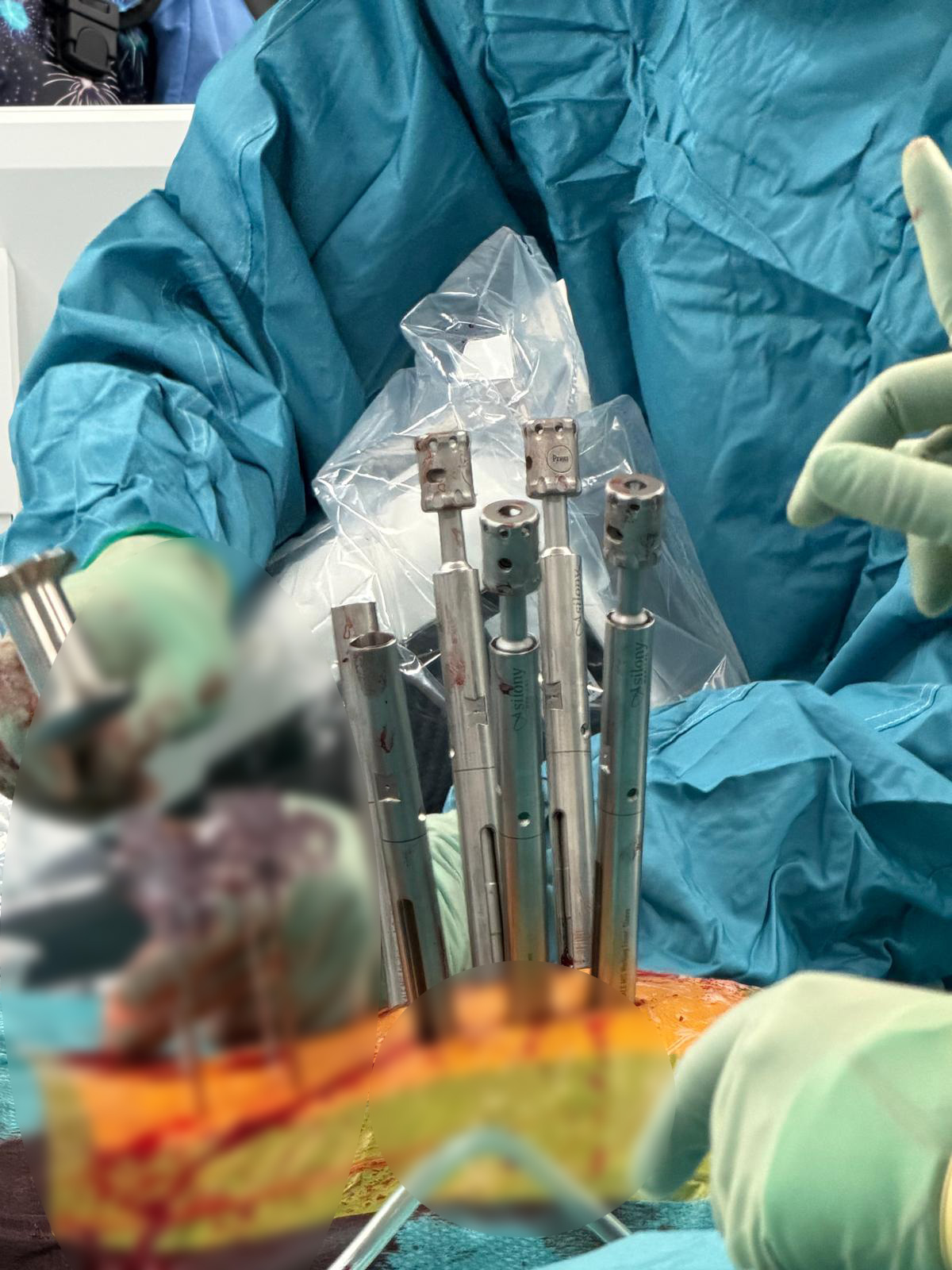
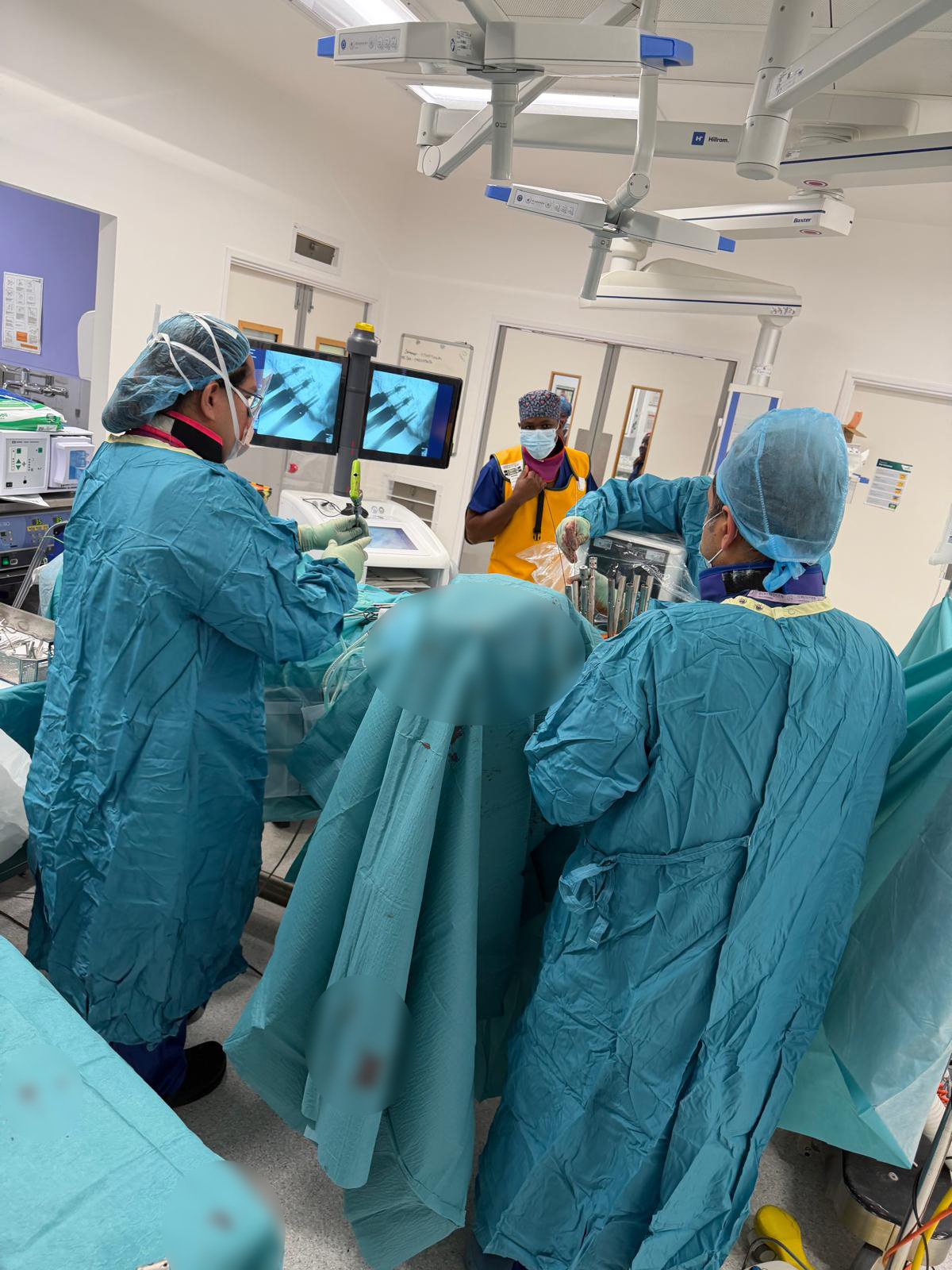
A spinal fixation operation, also known as spinal instrumentation, is a surgical procedure in which metal screws, rods, or plates are placed into the spine to stabilise unstable vertebrae. The goal is to restore alignment, protect the spinal cord and nerves, and allow the bones to heal in the correct position.
This surgery is commonly performed for:
- Spinal fractures
- Severe slipped discs
- Spinal deformities such as scoliosis
- Spinal tumours or infections
- Degenerative spine disease
- Spinal instability after decompression surgery
The most commonly used implants are pedicle screws made from titanium or surgical-grade stainless steel. These materials are strong, biocompatible, and designed to remain safely inside the body.
Why Is a CT Scan Done After Spinal Fixation?
A CT (Computed Tomography) scan may be performed after a spinal fixation operation to provide a detailed view of the bones and implants. Unlike standard X-rays, CT scans create cross-sectional images that allow surgeons to evaluate screw placement with high accuracy.
A post-operative CT scan helps to:
- Check the position of the screws
- Ensure the screws are not touching nerves
- Confirm proper alignment of the spine
- Detect complications, if any
- Evaluate bone healing and fusion progress
How Do Screws Look on a CT Scan?
On a CT scan, spinal screws appear very different from normal bone because they are made of metal. Their appearance is usually clear and easy for surgeons to identify.
Typical Appearance
- Bright white structures
Screws appear bright or white because metal blocks X-rays more than bone. - Straight, cylindrical shape
Screws look like straight rods with threads and are inserted into the pedicles of the vertebrae. - Symmetrical placement
They are usually placed on both sides of the spine and connected by rods, which also appear bright on CT. - Position inside the bone
Properly placed screws remain within the bone and should not enter the spinal canal.
Different CT Views of Spinal Screws
1. Axial View (Top-Down Slice)
- Screws appear as round or oval bright spots inside the vertebra.
2. Sagittal View (Side View)
- Screws appear as long bright lines entering the vertebra.
3. Coronal View (Front View)
- Screws appear as parallel bright rods on either side of the spine.
What Does a Normal Post-Surgery CT Look Like?
A successful post-operative CT scan after a spinal fixation operation typically shows:
- Screws centred within the pedicles
- No contact with the spinal cord or nerves
- Proper alignment of the vertebrae
- Secure connection between screws and rods
- No signs of loosening, breakage, or displacement
When Do Doctors Recommend a CT After Spinal Surgery?
Not every patient needs a CT scan after surgery. Your surgeon may recommend one if:
- You have persistent or worsening pain
- There is suspicion of screw misplacement
- Neurological symptoms develop
- Fusion progress needs confirmation
- You experience trauma or a fall after surgery
Recovery After a Spinal Fixation Operation
Recovery times vary depending on the reason for surgery, the number of levels treated, and the patient’s overall health. Most patients gradually return to normal activities over several weeks or months.
Common recovery milestones include:
- Early mobilisation within a few days after surgery
- Physiotherapy to restore strength and flexibility
- Gradual return to work and daily activities
- Follow-up imaging when required
Following your surgeon’s instructions is essential to ensure proper healing and long-term stability.
Are Spinal Screws Permanent?
In most cases, spinal screws remain permanently inside the body. They are made from biocompatible materials such as titanium and rarely cause problems.
However, removal may be considered if:
- Screw loosening occurs
- An infection develops
- The implant causes irritation
- Fusion is complete and hardware is no longer required
Is It Safe to Have CT Scans with Screws?
Yes. CT scans are safe for patients with spinal implants. The metal may cause minor imaging streaks, but modern CT technology can still provide accurate and useful images for assessment.
Spinal Fixation Surgery in London
Patients in London seeking expert evaluation of spinal fixation or post-operative CT scans can consult Mr. Bhaskar Thakur, a specialist in spinal and neurological surgery. He provides comprehensive assessment, advanced surgical techniques, and personalised post-operative care for a wide range of spinal conditions.
Conclusion
After a spinal fixation operation, screws appear as bright, well-defined structures on CT scans. They are typically positioned symmetrically within the vertebrae and connected by rods to stabilise the spine. CT imaging allows surgeons to confirm correct placement and monitor healing.
If you have undergone spinal fixation surgery and have concerns about your CT scan results, consult a qualified spine specialist for a detailed evaluation and personalised advice.
Frequently Asked Questions
How do spinal screws look on a CT scan?
Spinal screws appear as bright white cylindrical structures on CT scans.
They are usually placed symmetrically on both sides of the spine and connected by rods.
Why is a CT scan done after spinal fixation surgery?
A CT scan is performed to check the position of the screws, confirm spinal alignment,
detect complications, and evaluate bone healing after surgery.
Are spinal screws permanent?
In most cases, spinal screws are permanent and made of biocompatible materials like titanium.
Removal is only considered if there are complications such as infection, loosening, or irritation.
Can spinal screws move after surgery?
Screw movement is uncommon. It usually occurs only if spinal fusion fails,
there is significant trauma, or the bone quality is poor.
Is it safe to have a CT scan with spinal screws?
Yes, CT scans are safe for patients with spinal screws. Although metal may
cause minor imaging artifacts, modern CT scanners provide accurate results.